




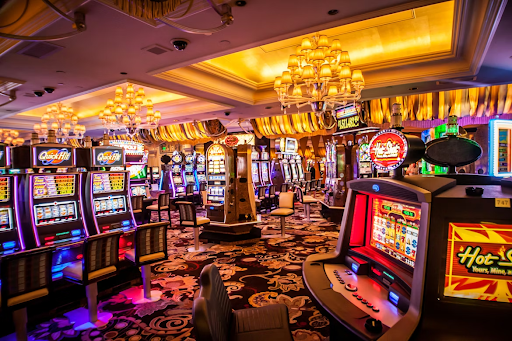
Step onto a casino floor and you immediately enter a carefully designed environment. The flashing displays, glowing signs, polished surfaces, and dramatic lighting are not random decorative choices. Every visual element is selected to create a specific atmosphere, and one of the most powerful tools casinos use is color psychology.
Contents
ToggleAmong the most recognizable uae casino online colors are the deep green of gaming tables and the warm red glow often associated with casino lighting. These colors have become symbols of gambling culture, appearing in movies, advertisements, and real gaming environments around the world.
But why are green felt and red lights so common? The answer lies in history, psychology, tradition, and the way humans respond to visual environments.
The Importance of Color in Casino Design
Color influences how people perceive spaces.
Designers use colors to affect:
- Mood.
- Attention.
- Comfort.
- Energy levels.
- Emotional responses.
Casinos are entertainment environments, and their visual design aims to create a memorable experience. Colors help establish the identity of a gaming space while guiding player attention toward important areas.
Why Green Felt Became a Casino Tradition
The green felt covering casino tables is one of the most recognizable images associated with gambling.
The tradition dates back centuries, especially in card rooms and early gaming establishments where green fabric became popular for practical and visual reasons.
Green felt provided several advantages:
- Reduced glare from lighting.
- Created contrast against playing cards and chips.
- Offered a comfortable surface for handling cards.
- Helped reduce eye strain during long sessions.
Over time, green became strongly associated with poker, blackjack, roulette, and other table games.
The Psychology of the Color Green
Green is often associated with:
- Balance.
- Calmness.
- Stability.
- Nature.
- Relaxation.
Unlike more intense colors, green tends to create a sense of visual comfort. On a casino table, this can help players focus on the game rather than feeling overwhelmed by the surrounding environment.
The color also carries cultural associations with money and financial success, which makes it especially fitting for gaming spaces.
Why Casinos Use Felt Surfaces
The use of felt is not only about color.
Traditional casino felt provides practical benefits, including:
- Smooth card movement.
- Reduced noise.
- Protection for equipment.
- A professional appearance.
The combination of texture and color creates the classic casino table experience that players recognize worldwide.
The Power of Red Lighting
Red is another color strongly connected with casino environments.
Many casinos use red accents, glowing signs, and warm lighting because red naturally attracts attention and creates visual energy.
Red is often associated with:
- Excitement.
- Passion.
- Intensity.
- Urgency.
- Celebration.
These qualities align with the emotional atmosphere casinos want to create.
Why Red Captures Attention
Human vision is highly responsive to strong colors, especially warm tones like red.
Red can:
- Stand out in crowded environments.
- Draw the eye toward specific areas.
- Create a feeling of energy.
- Make spaces feel more dramatic.
This makes it useful for signs, entertainment areas, and decorative lighting.
The Balance Between Green and Red
Green and red may seem like opposites, but together they create an interesting visual balance.
Green provides:
- Calmness.
- Stability.
- Focus.
Red provides:
- Energy.
- Excitement.
- Visual stimulation.
The combination creates an environment that feels both comfortable and dynamic.
Lighting Design on the Casino Floor
Modern casinos carefully control lighting to create specific experiences.
Lighting choices influence:
- How large a space feels.
- Where guests look.
- The overall mood.
- The atmosphere during different times of day.
Common techniques include:
- Decorative lighting.
- Accent illumination.
- Color-changing displays.
- Spotlight effects.
- Ambient lighting.
The goal is to create an immersive environment.
The Role of Contrast
Contrast helps important elements stand out.
Casino designers consider how colors interact between:
- Tables.
- Chips.
- Cards.
- Machines.
- Signs.
- Flooring.
For example, bright chips against green felt are easier to see, improving visibility for players and dealers.
Color and Slot Machine Design
Color psychology extends beyond table games.
Slot machines often use:
- Bright colors.
- Animated displays.
- Flashing lights.
- High-contrast graphics.
These elements are designed to make machines visually noticeable and create a sense of excitement.
Different themes use different color palettes to attract specific audiences.
The Influence of Casino Movies and Pop Culture
Movies have reinforced the visual identity of casinos.
The classic image of:
- Green poker tables.
- Red lighting.
- Elegant interiors.
- Luxury surroundings.
has become part of popular culture.
These visual elements communicate sophistication, mystery, and excitement even before a viewer sees the actual gameplay.
Does Color Affect Gambling Results?
While colors influence mood and perception, they do not change the mathematical outcomes of casino games.
Important factors such as:
- Random number generators.
- Card probabilities.
- House edge.
- Game rules.
determine results.
A red light does not increase winning chances, and a green table does not improve odds.
Color affects the experience, not the probability.
The Psychology of Comfort and Time
Casino environments are designed to encourage guests to feel comfortable and engaged.
Color choices contribute to this by creating spaces that feel:
- Welcoming.
- Exciting.
- Visually interesting.
Combined with entertainment, music, and hospitality, design elements help shape the overall casino atmosphere.
Responsible Gaming Awareness
Understanding casino design can help players recognize how entertainment environments are created.
Visual elements such as:
- Colors.
- Sounds.
- Lighting.
- Layouts.
are all part of creating an engaging experience.
Responsible players should focus on:
- Setting budgets.
- Managing playing time.
- Taking breaks.
- Treating gambling as entertainment.
Awareness helps maintain a balanced approach.
The Future of Casino Color Design
As technology advances, casino environments continue to evolve.
Future gaming spaces may include:
- Interactive lighting systems.
- Virtual reality casinos.
- Personalized environments.
- Digital table experiences.
- Adaptive visual designs.
However, classic colors like green and red will likely remain important because they are deeply connected to casino tradition.
Conclusion
The colors found on casino floors are more than simple decoration. Green felt, red lighting, and carefully planned visual designs combine history, psychology, and practical function to create the atmosphere players associate with gaming.
Green tables provide familiarity, comfort, and focus, while red lighting adds energy and excitement. Together, they represent the balance between relaxation and anticipation that defines the casino experience.
Although colors can influence emotions and perceptions, they do not control outcomes. The true power of casino color theory lies in creating an unforgettable environment—one where tradition, technology, and entertainment come together under the glow of the gaming floor.
