




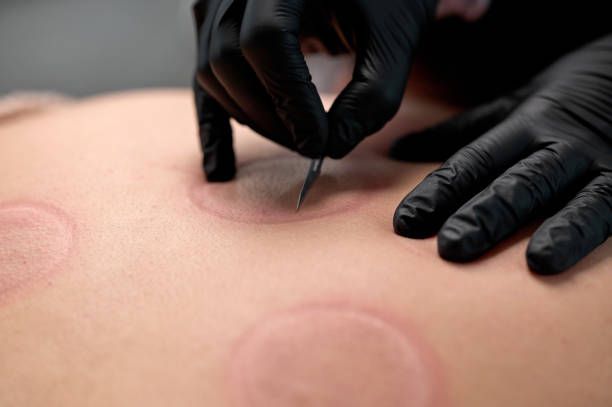
For many transgender and non-binary individuals, gender-affirming top surgery represents a significant milestone in aligning physical appearance with gender identity. While chest reconstruction is often the primary focus of surgery, many people also choose to restore or enhance the appearance of the nipple and areola as part of their overall healing journey. 3D Areola tattoo in Aurora is a specialized form of paramedical tattooing that uses advanced shading and color-matching techniques to create natural-looking areolas that complement the results of top surgery.
Although the procedure is cosmetic, many individuals view it as an important finishing touch that helps complete the appearance of the chest. Every person’s goals are different, and choosing whether to have areola pigmentation is a personal decision. Understanding the procedure, recovery process, and customization options can help individuals make informed choices about their post-surgical care.
What Is 3D Areola Pigmentation?
3D areola pigmentation is a specialized paramedical tattoo procedure that recreates or enhances the appearance of the areola using carefully selected pigments and artistic shading techniques.
Unlike decorative tattoos, the goal is anatomical realism rather than artistic expression.
The procedure can help:
- Restore natural-looking areolas
- Improve symmetry
- Enhance nipple definition
- Blend pigmentation with surrounding skin
- Personalize the appearance of the chest
Each tattoo is individually designed to reflect the patient’s anatomy and aesthetic preferences.
Why Some Patients Choose Areola Pigmentation After Top Surgery
Top surgery successfully reshapes the chest, but some individuals choose additional procedures to refine their final appearance.
3D areola pigmentation may be considered to:
- Improve the appearance of reconstructed nipples
- Restore pigmentation after surgery
- Enhance visual symmetry
- Add realistic color variation
- Complete chest restoration
Others may decide not to pursue tattooing, and that choice is equally valid. Every transition journey is unique.
Personalized Design for Every Individual
No two chests—or transition experiences—are exactly alike.
Before treatment, the practitioner carefully evaluates:
- Chest proportions
- Skin tone
- Scar placement
- Existing nipple anatomy
- Personal goals
- Desired areola size
The final design is tailored to each individual’s preferences rather than following a standard template.
Creating Realistic 3D Effects
One of the defining features of modern areola pigmentation is the ability to create depth on flat skin.
Medical tattoo artists use:
- Layered pigments
- Soft highlights
- Natural shadows
- Fine detailing
- Gradual color transitions
These techniques create the illusion of dimension while maintaining a natural appearance.
Customized Color Matching
Achieving realistic pigmentation requires careful color selection.
Practitioners evaluate several factors, including:
- Overall skin tone
- Warm or cool undertones
- Natural pigmentation
- Scar tissue
- Individual healing characteristics
Multiple pigment shades are often blended together to create subtle, lifelike color variations.
Working with Surgical Scars
Most top surgery patients have some degree of scar tissue.
Scar tissue may:
- Heal differently
- Absorb pigment unevenly
- Have altered texture
- Reflect light differently
Experienced paramedical tattoo artists adjust their techniques to accommodate these differences while aiming for balanced and consistent results.
When Is the Right Time?
Timing is an important consideration.
Most practitioners recommend waiting until:
- Surgical incisions have fully healed
- Scar tissue has matured
- Swelling has resolved
- Your surgeon confirms that tattooing is appropriate
The ideal timeline varies depending on the individual and the specific surgical procedure performed.
The Consultation Process
A thorough consultation helps ensure that treatment is personalized and appropriate.
During the consultation, your practitioner may discuss:
- Medical history
- Surgical procedures
- Healing progress
- Scar maturity
- Desired appearance
- Color preferences
- Expected outcomes
Patients also have an opportunity to ask questions and participate in planning the final design.
What Happens During the Procedure?
Although treatment protocols vary, a typical appointment may include:
- Reviewing the treatment plan.
- Confirming placement and size.
- Selecting customized pigments.
- Applying layered shading techniques.
- Evaluating symmetry and realism.
The appointment length depends on the complexity of the restoration.
Healing After the Procedure
Most individuals experience a relatively straightforward healing process.
Immediately after treatment, you may notice:
- Mild redness
- Slight swelling
- Temporary tenderness
- Darker pigment than expected
Over the following weeks:
- Redness decreases.
- Pigments soften.
- Colors settle naturally.
- The final appearance becomes more refined.
Following your practitioner’s aftercare instructions is essential for healthy healing.
Will Touch-Ups Be Needed?
Healing varies from person to person.
Some individuals choose a follow-up appointment to:
- Improve pigment consistency
- Enhance color
- Refine shading
- Balance symmetry
Whether a touch-up is recommended depends on healing and pigment retention.
Choosing the Right Practitioner
Selecting a qualified paramedical tattoo artist is one of the most important decisions you will make.
Look for someone who has:
- Specialized paramedical tattoo training
- Experience working with gender-affirming surgery patients
- Knowledge of scar tissue
- Advanced color theory skills
- Excellent hygiene standards
- A portfolio of healed restorative work
A practitioner who understands both the technical and personal aspects of gender-affirming care can help create a supportive treatment experience.
Supporting Confidence After Surgery
While areola pigmentation primarily restores appearance, many patients describe emotional benefits as well.
Some individuals report feeling:
- More comfortable with their chest
- More confident in everyday life
- More satisfied with their surgical outcome
- Better able to express their identity
Experiences vary from person to person, and every individual’s recovery journey is unique.
Long-Term Care
Although 3D areola tattoos are designed to be long-lasting, gradual fading is a normal part of the aging process.
To help maintain results:
- Protect the area from excessive sun exposure.
- Follow recommended skincare guidance.
- Attend follow-up appointments if advised.
- Consider touch-ups when appropriate.
Routine care helps preserve color and realism for years.
Conclusion
3D areola pigmentation has become an important option for many transgender and non-binary individuals seeking to personalize the results of gender-affirming top surgery. By combining advanced color matching, realistic shading, and customized treatment planning, skilled paramedical tattoo artists can create natural-looking areolas that complement each person’s anatomy and aesthetic goals. Every procedure is tailored to the individual’s preferences, skin tone, and healing journey, making it a highly personalized aspect of post-surgical care.
Choosing whether to undergo areola pigmentation is a personal decision, and there is no single path that defines a successful transition. For those who decide it aligns with their goals, this specialized procedure can provide a meaningful finishing touch that enhances the appearance of the chest and supports confidence after surgery. Working with an experienced practitioner and following proper aftercare recommendations can help ensure safe healing and natural-looking, long-lasting results.
