




The Rise of At-Home Knee Rehabilitation
Rehabilitation is no longer limited to clinics and physiotherapy centers. Many people recovering from knee injuries, surgery, or chronic joint conditions now continue their recovery at home with structured routines and supportive tools. This shift has made consistency easier, which is one of the most important factors in physical therapy success.
Contents
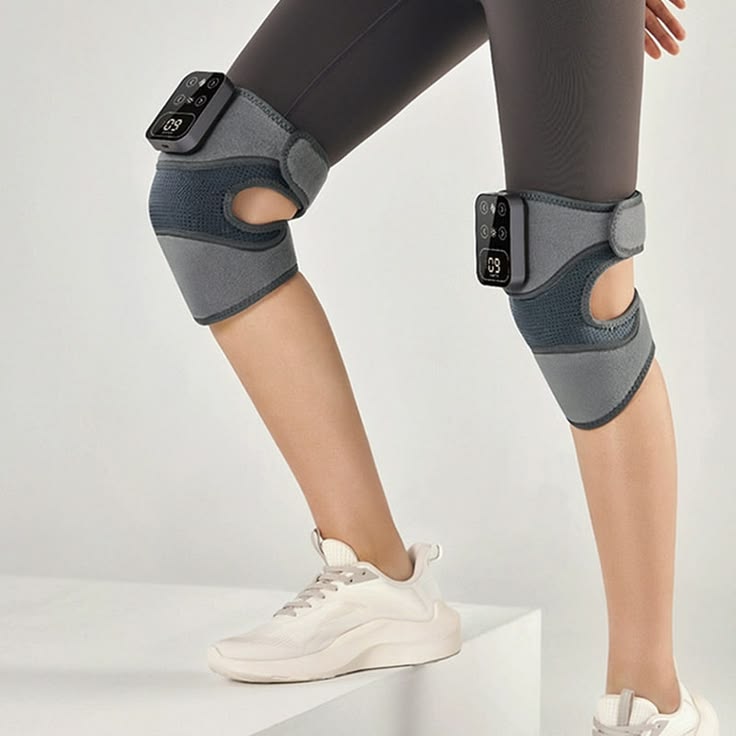
ToggleAmong these tools, a knee massager uk has become a practical option for supporting at-home rehabilitation. When used correctly, it can help improve circulation, reduce stiffness, and complement prescribed physiotherapy exercises without replacing professional guidance.
Understanding the Role of a Knee Massager in Therapy
A knee massager is not a cure or standalone treatment, but it can support the healing process by addressing common barriers to recovery such as muscle tightness, swelling, and limited mobility.
After injury or surgery, surrounding muscles often become stiff due to inactivity or protective guarding. This stiffness can limit movement and slow progress in physical therapy. A knee massager helps gently stimulate these tissues, encouraging relaxation and improved blood flow around the joint.
Better circulation supports the delivery of oxygen and nutrients to healing tissues while also assisting in the removal of waste products that contribute to inflammation and discomfort.
Preparing the Knee for Rehabilitation Exercises
One of the most effective uses of a knee massager in physical therapy is pre-exercise preparation. Before starting rehabilitation exercises, the knee often benefits from gentle warming and activation.
Using a knee massager for a short period helps loosen tight muscles such as the quadriceps, hamstrings, and calves. These muscles play a key role in supporting knee movement and stability. When they are relaxed, exercises like straight leg raises, seated extensions, and gentle squats become easier and more effective.
This preparation can also improve range of motion, allowing patients to move more comfortably through their prescribed exercise routines.
Supporting Recovery Between Therapy Sessions
Rehabilitation is not limited to active exercise sessions. A significant part of recovery happens during rest periods between therapy sessions. This is where a knee massager can provide additional support.
During downtime, stiffness often builds up due to reduced movement. Gentle massage can help maintain flexibility in the surrounding muscles and prevent the joint from becoming overly rigid.
Heat or compression settings, if available, can further assist in reducing tightness and promoting relaxation. This makes it easier to resume exercises in the next session with less discomfort.
Improving Circulation for Faster Healing
Circulation plays a central role in tissue repair. After injury or surgery, blood flow to the affected area is often reduced due to swelling and inactivity. A knee massager helps counter this by stimulating the surrounding soft tissues.
Improved circulation supports faster healing by delivering essential nutrients to damaged areas. It also helps reduce fluid buildup, which is often responsible for stiffness and restricted movement.
Over time, consistent use can contribute to a more comfortable and efficient recovery process when combined with guided physiotherapy.
Safe Usage in a Rehabilitation Routine
Safety is essential when using a knee massager during physical therapy. It should always be used in line with medical advice, especially after surgery or serious injury.
Sessions should begin with low intensity and short duration, typically around 10 to 15 minutes. The goal is gentle support, not deep or aggressive pressure. The device should be used around the knee rather than directly on sensitive or healing areas.
It is also important to monitor how the knee responds after each session. If swelling, pain, or discomfort increases, usage should be reduced or paused and discussed with a healthcare professional.
Combining a Knee Massager with Physical Therapy Exercises
A knee massager works best when integrated into a complete rehabilitation plan. It should not replace physical therapy exercises but instead enhance them.
A balanced routine might include:
- Gentle massage before exercises to prepare the muscles
- Prescribed physiotherapy movements to rebuild strength and mobility
- Light massage after exercise to reduce tension and support recovery
This combination helps create a cycle of preparation, activity, and recovery that supports steady progress.
Long-Term Benefits of At-Home Rehabilitation Support
Consistent at-home care is often what determines the success of rehabilitation. Small daily efforts add up over time, leading to better mobility, strength, and confidence in movement.
A knee massager helps maintain this consistency by providing an easy and accessible way to support the knee outside of therapy sessions. It encourages regular care, which can prevent setbacks caused by stiffness or inactivity.
For many individuals, this ongoing support makes rehabilitation feel more manageable and less physically demanding.
Conclusion
At-home rehabilitation requires discipline, consistency, and the right supportive tools. A knee massager can play a valuable role in this process by improving circulation, reducing stiffness, and preparing the knee for physical therapy exercises.
While it should always be used alongside professional guidance and structured rehabilitation programs, it can enhance comfort and support steady progress. When integrated properly, a knee massager becomes a practical companion in restoring mobility and rebuilding strength during knee recovery.
