




Losing a significant amount of weight is a remarkable achievement that can improve your health, confidence, and quality of life. However, many people discover that weight loss brings a new challenge: loose or sagging skin. Whether you’ve lost weight through diet and exercise, medication, or bariatric surgery, excess skin can affect comfort, mobility, and self-esteem.
The good news is that there are several ways to improve skin firmness and elasticity. While the amount of improvement Venus Freeze The Woodlands depends on factors such as age, genetics, and the amount of weight lost, a combination of healthy habits and professional treatments can help tighten loose skin and enhance your results.
Why Does Loose Skin Occur After Weight Loss?
Skin is an elastic organ that stretches to accommodate weight gain. When the body carries excess weight for an extended period, the collagen and elastin fibers responsible for skin elasticity can become damaged.
After significant weight loss, the skin may not fully contract back to fit the body’s new shape.
Factors that influence loose skin include:
- Amount of weight lost
- Age
- Genetics
- Duration of obesity
- Smoking history
- Sun exposure
- Overall skin health
People who lose a large amount of weight quickly often experience more noticeable skin laxity than those who lose weight gradually.
Can Loose Skin Tighten Naturally?
In some cases, yes.
Mild to moderate skin looseness may improve naturally over time, especially if:
- You are younger
- Your skin still has good elasticity
- Weight loss was gradual
- You maintain a healthy lifestyle
However, severe skin laxity often requires additional intervention to achieve significant improvement.
Expert Tip #1: Build Lean Muscle Through Strength Training
One of the most effective natural ways to improve body contours after weight loss is resistance training.
Why Muscle Matters
Building muscle beneath loose skin can help:
- Improve body shape
- Create a firmer appearance
- Reduce the appearance of sagging
- Enhance overall body composition
Effective exercises include:
- Squats
- Deadlifts
- Lunges
- Push-ups
- Resistance band training
- Weightlifting
While strength training cannot eliminate excess skin, it can make a noticeable difference in how your body looks and feels.
Expert Tip #2: Prioritize Protein Intake
Collagen and elastin rely on amino acids for production and repair.
Consuming adequate protein helps support:
- Muscle development
- Skin repair
- Collagen production
- Overall recovery
Good protein sources include:
- Fish
- Eggs
- Lean poultry
- Greek yogurt
- Beans
- Lentils
- Tofu
Many experts recommend distributing protein intake evenly throughout the day to maximize benefits.
Expert Tip #3: Stay Hydrated
Hydration plays an important role in maintaining skin health and elasticity.
Benefits of proper hydration include:
- Improved skin appearance
- Enhanced skin function
- Better overall tissue health
Although drinking water alone will not tighten loose skin, it supports the body’s natural repair processes and can improve skin quality.
Expert Tip #4: Use Skin-Firming Skincare Products
While topical products cannot remove excess skin, some ingredients may help improve skin texture and firmness.
Look for products containing:
- Retinoids
- Peptides
- Hyaluronic acid
- Vitamin C
- Antioxidants
These ingredients may support collagen production and improve the appearance of mildly loose skin when used consistently.
Expert Tip #5: Protect Your Skin from Sun Damage
Ultraviolet (UV) radiation accelerates collagen breakdown and contributes to skin aging.
To protect skin elasticity:
- Wear sunscreen daily
- Use SPF 30 or higher
- Wear protective clothing
- Avoid excessive sun exposure
Maintaining collagen levels is essential for preserving skin firmness after weight loss.
For expert guidance on protecting skin health, visit the American Academy of Dermatology.
Non-Surgical Treatments for Loose Skin
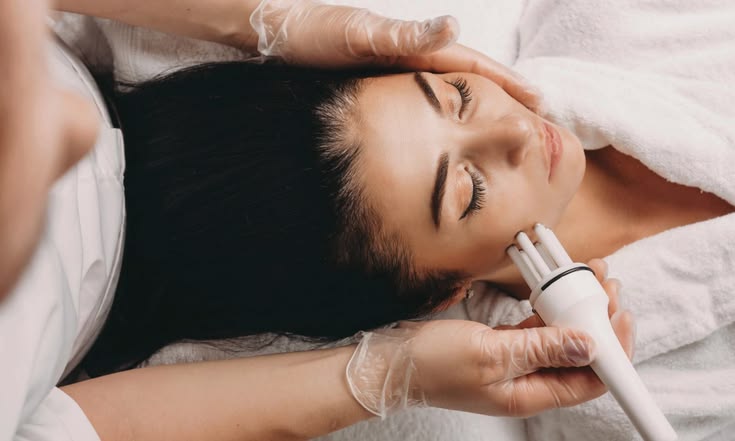
When lifestyle changes alone are not enough, several non-invasive and minimally invasive treatments may help stimulate collagen production and improve skin tightening.
Radiofrequency (RF) Therapy
RF treatments use controlled heat to stimulate collagen and elastin production.
Benefits may include:
- Improved skin firmness
- Better texture
- Gradual tightening
- Minimal downtime
Common treatment areas include:
- Abdomen
- Arms
- Neck
- Thighs
Ultrasound-Based Treatments
Ultrasound technology targets deeper tissue layers to stimulate collagen remodeling.
This treatment is often used for:
- Face
- Jawline
- Neck
- Upper chest
Results typically develop gradually over several months.
RF Microneedling
RF microneedling combines radiofrequency energy with controlled micro-injuries to stimulate collagen production.
Benefits include:
- Skin tightening
- Texture improvement
- Scar reduction
- Enhanced firmness
Laser Skin Tightening
Certain laser technologies promote collagen remodeling and skin rejuvenation.
These treatments can improve:
- Mild skin laxity
- Fine lines
- Overall skin quality
When Surgery May Be the Best Option
For individuals with substantial excess skin following major weight loss, surgical body contouring procedures may provide the most dramatic results.
Common procedures include:
Tummy Tuck (Abdominoplasty)
Removes excess abdominal skin and tightens underlying muscles.
Arm Lift (Brachioplasty)
Addresses loose skin on the upper arms.
Thigh Lift
Improves sagging skin on the inner and outer thighs.
Body Lift
Targets multiple areas simultaneously, often after massive weight loss.
While surgery involves recovery time and scarring, it remains the most effective option for severe skin laxity.
Setting Realistic Expectations
It’s important to understand that no treatment can completely restore skin to its pre-weight-gain condition.
Results depend on:
- Skin elasticity
- Age
- Treatment type
- Amount of excess skin
- Overall health
The best outcomes often come from combining healthy lifestyle habits with professional treatments tailored to individual needs.
Conclusion
Loose skin after weight loss is a common and often frustrating challenge, but there are many effective ways to improve skin firmness and body contours. Strength training, proper nutrition, hydration, skincare, and sun protection can support natural skin health, while non-surgical treatments such as radiofrequency, ultrasound, microneedling, and laser therapies can further stimulate collagen production.
For individuals with significant skin laxity, surgical body contouring may offer the most dramatic transformation. By working with qualified healthcare and aesthetic professionals, you can develop a personalized plan to help tighten loose skin and fully enjoy the results of your weight-loss journey.
