




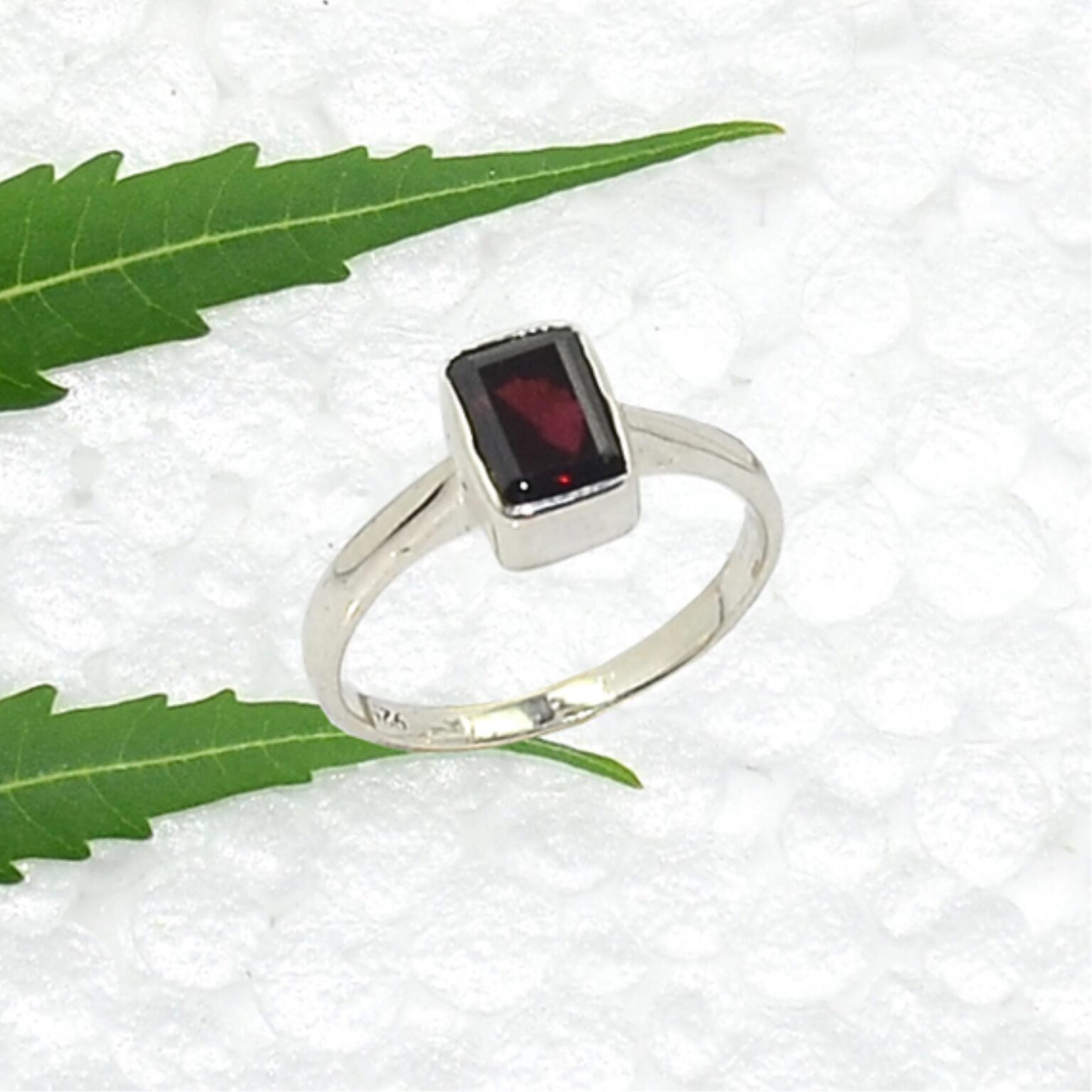
Extreme caution is needed with stone settings. The gemstones must be properly placed and securely fastened. Finishing might be particularly crucial for bespoke designs since little details could be vital to the uniqueness of the item.
It may be that a certain texture, engraving, curve or setting was added to make the design unique.
Such nuances have to be maintained throughout production. Finishing Jewelry Manufacturers provides a chance for refinement, too. You might think an item is finished after the primary stage of production, but it can be improved with attentive finishing.
The Art of Completion and Making the Design Come Alive
While manufacturing builds the fundamental framework of a jewellery item, finishing imparts its final visual character.
Finishing procedures including as polishing, texturing, surface refining, stone setting, and others may greatly affect the appearance and feel of the jewellery. This is frequently when the distinction between a mediocre product and a well-honed product begins to emerge.
A consistent finish is also vital for companies. If many items are made from the same design, people want them to look and feel the same.
So the process of production has to combine originality, and norms that can be repeated. Finishing is a vital part of making any produced thing into completed jewellery, whether it’s a single unique piece or a bigger collection.
Quality Control in Every Step of Production
Quality control is an important element of making personalised jewellery. It guarantees the finished product complies with the established design criteria and the anticipated standards.
Quality should not be treated as the last step of manufacturing solely. It may be measured at every stage in the production process.
Structural difficulties might arise throughout the design development phase. Components may be tested for correctness during manufacture.
The stone setting may be assessed for gemstone placement and security. The finish lets you examine surfaces and details.
The final examination then presents an overall evaluation of the finished object. Brands may be more confident in offering their consumers unique products when manufacturers keep the bar high on quality.
That makes quality control more than a technical job. It becomes central to the whole client experience.
Signature Jewellery Collections by Mangla International
It might start with one unique concept, but custom jewellery making can stretch well beyond that. For designers and marketers, a successful bespoke item may become the basis for an entire series.
The center pattern may be enlarged to rings, earrings, necklaces, pendants, bracelets or other types of jewellery of a similar design.
This means that firms may develop a recognisable design language. You are able to build distinctive collection with recurrent forms, textures, gemstone combinations, finishes, or symbolic aspects.
Over time these features might become strongly identified with a brand. Custom manufacturing may also help a corporation seize unique market possibilities.
A shop may see an opportunity in its current selection and build a collection geared at that consumer segment.
For example, jewellery might be created to match a clothes line by a fashion business. A designer may create small collections based on a topic or inspiration. Custom manufacturing has the ability to take these concepts from concept to tangible product.
It also opens up opportunity for stories. Customers may question what inspired a collection, why a certain symbol was used, or how the design came about.
A handcrafted work may be more remembered because of the narrative behind it that adds to its emotional appeal.
This is especially true in the jewellery business where purchasing is typically associated with celebrations, relationships, accomplishments, self, and important events.
Hence a beautifully designed bespoke item may be more than a product. It may become a representation of a tale. Mangla International’s unique jewellery manufacturing process may help translate this creative narrative into production. This process combines design creation, material understanding, manufacturing skills, finishing and quality control to enable original ideas to advance toward final jewellery.
Where Vision Meets Craft: The Future of Custom Jewellery
The jewellery business continues to shift toward personalisation and uniqueness. Consumers are looking for items that align with their tastes and companies are looking for methods to stand out in a competitive market.
This opens up a lot of great potential for personalised jewellery manufacture. It may make a work that is a reflection of a personal tale, a certain style, a significant event or a unique brand personality.
The construction of such a sculpture involves substantially more than the creation of a beautiful design. The development of each customised piece of jewellery involves inspiration, technical planning, material competence, skilful workmanship, accuracy and meticulous finishing. A notion has to be turned into a shape that is not only pleasing to the eye, but also practical, durable, pleasant and manufacturable.
Mangla International is the link between this artistic vision and the skill of jewellery. It starts with a knowledge of what the customer hopes to accomplish and continues through design creation, material selection, manufacture, stone placement, finishing and quality inspection.
The procedure is like a voyage beyond the plan. The first design is simply the beginning. The magic of the final piece is what happens to that design when it is interpreted, developed, built and finished.
From Inspiration to a Custom Jewellery Concept
Every custom jewellery production begins with imagination. Inspiration may come from practically anyplace. A customer may have a preliminary drawing, a favourite gemstone, a significant symbol, an image, a cultural reference, or just a concept of what they want the completed product to look like.
The idea might be further developed for a designer or a jewellery business. They may already know what they want creatively, have comprehensive sketches, measurements, and exact material choices. A certain pattern might convey a meaningful recollection. A certain gemstone may be significant emotionally. A distinctive form may be part of a brand’s visual identity.
Knowing these things will assist to direct the production process. The notion also has to be looked at from a practical standpoint. A design could appear wonderful on paper but need adjustments so that it can be worn comfortably and made properly.
Consideration must be given to the dimensions, proportions, structural support, location of the gem, weight and polish.
Summary
The Jewelry Manufacturers goal is not to modify the identity of the design, but to make the creative notion possible. Therefore, custom jewellery is all about communication between the client, designer and production team.
Questions regarding materials, dimensions, finishes, stones, intended usage and overall style may help define a clear direction before manufacturing starts. When the idea is well grasped, the blueprint for the work starts to take form.
