




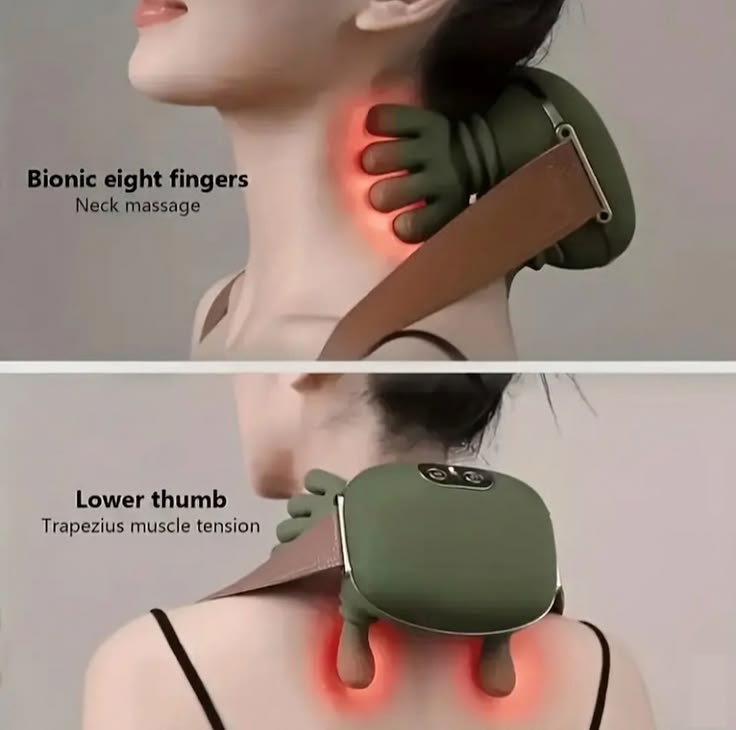
Choosing a Neck shoulder massager is not as simple as picking the most powerful or most expensive model. Different devices are designed for different types of tension, lifestyles, and usage habits. A massager that works perfectly for a frequent traveler may not suit someone working long hours at a desk, and a high-intensity model may be unnecessary for mild daily stiffness.
A smart buying decision depends on understanding your body’s needs and matching them with the right combination of features, comfort level, and design.
Step 1: Identify Your Primary Pain Type
Before comparing devices, you need to understand what kind of discomfort you experience most often.
1. Mild Daily Tension
- Light stiffness after work or screen use
- Occasional shoulder tightness
- No persistent pain
Best suited for: gentle kneading massagers with low-to-medium intensity.
2. Moderate Muscle Tightness
- Regular neck and shoulder stiffness
- Noticeable discomfort after long sitting
- Occasional knots
Best suited for: devices with adjustable intensity and heat function.
3. Chronic Deep Tension
- Frequent knots or trigger points
- Limited neck mobility
- Long-term posture strain
Best suited for: 4D kneading or deep-tissue style massagers with stronger pressure control.
Step 2: Choose the Right Type of Massager
Different designs serve different purposes.
1. Wearable Shoulder Massagers
These drape over the shoulders and target the trapezius muscles.
Best for:
- Office workers
- Home users
- Long daily sessions
Key advantage:
Hands-free use and stable positioning.
2. Neck Pillow Massagers
Compact and often U-shaped, designed primarily for neck support.
Best for:
- Travelers
- Quick relaxation sessions
- Light to moderate tension
Key advantage:
Portability and ease of use.
3. Deep Tissue Kneading Devices
Stronger models designed for intense muscle release.
Best for:
- Chronic stiffness
- Deep knots in shoulders
- Users comfortable with stronger pressure
Key advantage:
More powerful muscle penetration.
Step 3: Evaluate Key Features
1. Kneading Technology
Look for:
- 3D or 4D kneading motion
- Multi-directional movement
- Adjustable speed patterns
These provide a more natural and effective massage experience.
2. Heat Function
Heat is essential for relaxing tight muscles.
What to look for:
- Even heat distribution
- Adjustable temperature levels
- Safe automatic shut-off
3. Adjustable Intensity
A good device should offer multiple pressure levels to match different muscle conditions.
4. Ergonomic Design
Ensure the device:
- Fits the natural curve of your neck and shoulders
- Maintains stable contact during use
- Targets key muscle zones effectively
5. Noise Level
Quiet operation is important for relaxation, especially in shared spaces or at night.
6. Battery Life (for wireless models)
Look for:
- At least 60–120 minutes of usage per charge
- Fast charging capability
- Stable performance as battery drains
Step 4: Match the Device to Your Lifestyle
For Office Workers
- Ergonomic wearable shoulder massager
- Quiet operation
- Short 10–15 minute recovery sessions
For Frequent Travelers
- Lightweight, portable neck massager
- Wireless design
- Easy storage in carry-on luggage
For Home Relaxation
- Larger, feature-rich kneading devices
- Stronger intensity settings
- Heat + massage combination
For Fitness or Physical Activity Recovery
- Deep tissue massagers
- Higher intensity control
- Focus on muscle recovery rather than relaxation only
Step 5: Avoid Common Buying Mistakes
1. Choosing Power Over Comfort
Stronger does not always mean better. Incorrect intensity can cause discomfort instead of relief.
2. Ignoring Ergonomics
A poorly fitting device will not target muscles effectively, regardless of features.
3. Overlooking Heat Quality
Weak or uneven heating reduces overall effectiveness.
4. Buying Without Considering Usage Frequency
Occasional users do not need advanced high-end models, while daily users benefit from more durable designs.
Step 6: Understand What Actually Matters Long-Term
A good neck and shoulder massager should provide consistent comfort over time, not just initial relief.
Durability
High-quality materials ensure long-term reliability.
Consistency of Performance
Devices should maintain pressure and heat effectiveness even after repeated use.
Ease of Use
Simple controls encourage regular use, which is key for long-term benefits.
Step 7: Balance Features With Real Needs
Not every user needs every feature. The best device is the one that fits your routine.
Ask Yourself:
- How often will I use it?
- Do I need deep relief or mild relaxation?
- Will I use it at home, work, or while traveling?
Answering these questions helps narrow down the best option.
Final Thoughts
The best neck and shoulder massager is not the most advanced one—it is the one that matches your body’s needs and daily routine. Features like 4D kneading, heat therapy, ergonomic design, and adjustable intensity are valuable, but only when they align with how and when you plan to use the device.
By understanding your pain type, lifestyle, and comfort preferences, you can choose a massager that provides consistent relief, supports recovery, and fits naturally into your everyday life. A well-chosen device becomes more than a tool—it becomes a reliable part of your long-term self-care routine.
