




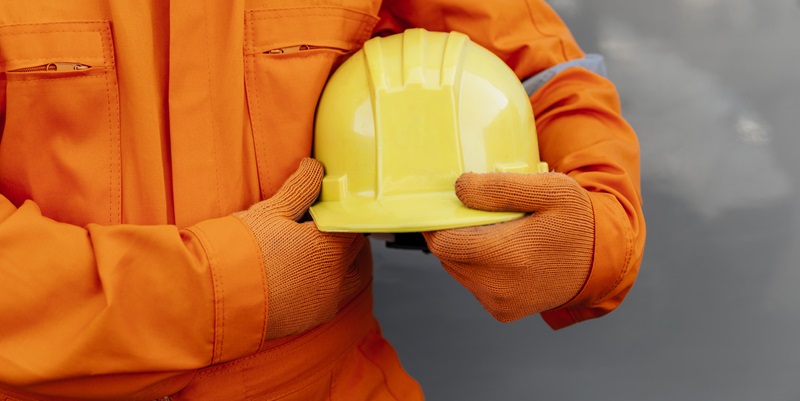
Workplace hazards are an everyday reality in industries such as construction, transportation and logistics, utilities, and roadwork. Employees in these sectors regularly face risks related to heavy machinery, moving vehicles, elevated work areas, and unpredictable environmental conditions. Investing in high-quality safety gear is one of the most effective ways organizations can protect their workforce while maintaining compliance with industry regulations.
As job sites grow more complex and safety expectations increase, employers must move beyond basic requirements and adopt a proactive approach to worker protection. Proper safety gear helps reduce accidents, improve visibility, and ensure employees are equipped to perform their tasks safely and efficiently.
Why Safety Gear Is a Critical Investment
Safety gear serves as the first line of defense against workplace injuries. From high-visibility apparel to protective clothing, the right equipment helps reduce exposure to hazards and supports safer work environments.
Regulatory bodies continue to strengthen safety requirements, particularly in industries where workers operate near traffic, heavy equipment, or hazardous materials. Failing to provide appropriate safety gear can result in fines, project delays, and increased liability. More importantly, inadequate protection can lead to preventable injuries and lost workdays.
Organizations that prioritize safety gear demonstrate a commitment to worker well-being while protecting their operations from unnecessary risk.
Core Types of Safety Gear Used on Job Sites
Effective safety programs rely on a combination of protective equipment designed for specific hazards and work conditions.
High-Visibility Apparel
Visibility is essential on busy job sites. High-visibility shirts, vests, sweatshirts, and jackets help ensure workers can be easily seen by equipment operators and drivers in low-light or high-traffic environments.
Protective Workwear
Durable safety apparel protects workers from environmental exposure, abrasions, and weather conditions. Proper workwear also supports mobility and comfort during physically demanding tasks.
Job-Specific PPE
Accessories such as gloves, headwear, and protective outer layers play a critical role in protecting workers from task-specific hazards. When combined with safety apparel, these items help create a comprehensive protection system.
Selecting safety gear that aligns with job site conditions and worker responsibilities is key to maintaining consistent protection.
Industry Applications for Safety Gear
Construction
Construction sites involve multiple hazards, including heavy equipment, elevated work areas, and moving vehicles. Safety gear helps protect workers while improving coordination between crews and operators.
Transportation and Logistics
Warehouses, distribution centers, and loading docks operate in fast-paced environments with constant vehicle movement. Safety gear improves visibility and helps reduce accidents involving forklifts and trucks.
Utilities and Roadwork
Utility crews and road maintenance teams often work near live traffic and in unpredictable weather. High-visibility safety gear plays a critical role in protecting workers and alerting motorists to active work zones.
Across these industries, safety gear is essential for maintaining safe, organized, and compliant operations.
Business Benefits Beyond Compliance
While regulatory compliance is a major driver for safety gear investment, the benefits extend far beyond meeting minimum requirements.
Reduced Workplace Incidents
Proper safety gear helps prevent injuries, which can reduce downtime, workers’ compensation claims, and insurance costs.
Improved Productivity
Workers who feel protected and comfortable are better able to focus on their tasks and maintain consistent performance.
Stronger Safety Culture
Providing reliable safety gear reinforces the importance of safety across the organization and encourages consistent PPE use.
Professional Job Site Image
Well-equipped workers reflect positively on a company’s professionalism and commitment to operational excellence.
Building a Safer Future Through Proper Safety Gear
As industries continue to evolve, safety gear remains a fundamental component of effective risk management strategies. Organizations that invest in quality protective equipment position themselves for long-term success by reducing injuries, supporting compliance, and improving workforce confidence.
Companies seeking dependable safety apparel and protective solutions can explore comprehensive safety product offerings from National Safety Gear to support workforce protection, regulatory compliance, and safer job site operations across high-hazard industries.
